

Luteolin and quercetin are two important flavonoids that exhibit a range of health benefits, but they are distinct compounds with different chemical structures, sources, and biological activities.
- Chemical Structure
The primary difference between luteolin and quercetin lies in their chemical structures. Luteolin has a specific arrangement of hydroxyl groups (–OH) that contributes to its unique properties. Quercetin, on the other hand, features a slightly different arrangement that affects how it interacts with biological systems. These structural differences influence how each compound behaves in the body and its effectiveness in various health applications.
- Health Benefits
Both luteolin and quercetin are known for their antioxidant properties, which help combat oxidative stress in the body.
1. Luteolin
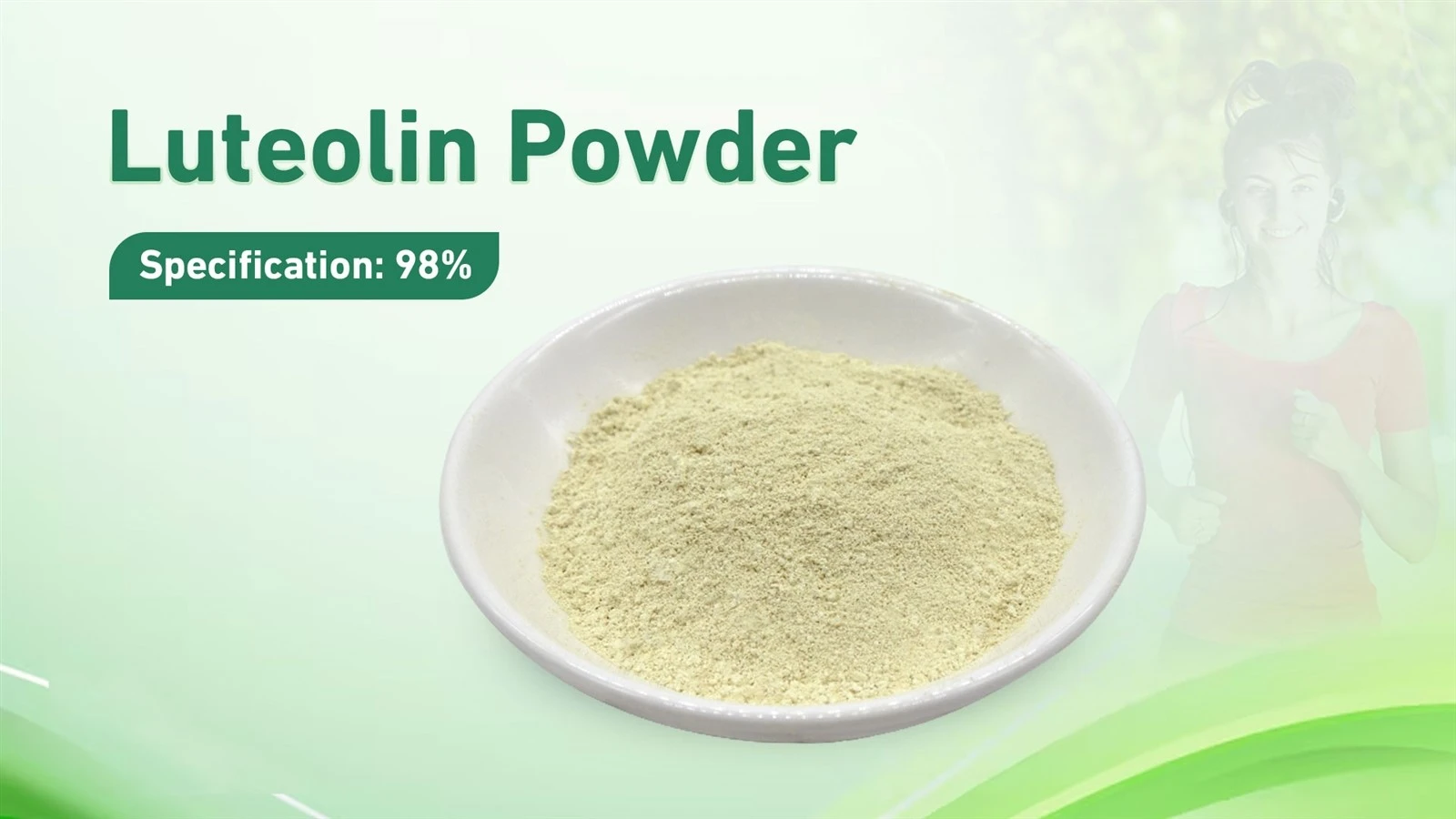
Research on luteolin highlights several potential health benefits:
Neuroprotective Effects: Luteolin has been studied for its ability to protect brain cells from damage.
Anti-inflammatory Properties: It can inhibit the production of pro-inflammatory cytokines.
2. Quercetin
Quercetin is often celebrated for its broad range of health benefits, including:
Antihistamine Effects: It may help alleviate allergy symptoms by inhibiting the release of histamines.
Cardiovascular Health: Quercetin has been shown to improve endothelial function, contributing to overall heart health.
Immune System Support: It can enhance immune responses.
- Conclusion
While luteolin and quercetin share some similar health benefits due to their antioxidant and anti-inflammatory properties, they are not the same. Their different sources, structures, and specific health effects highlight the importance of consuming a diverse diet rich in a variety of flavonoids. Incorporating foods rich in luteolin and quercetin into your daily diet can be an excellent way to harness their potential benefits. Both flavonoids can contribute positively to your overall well-being.