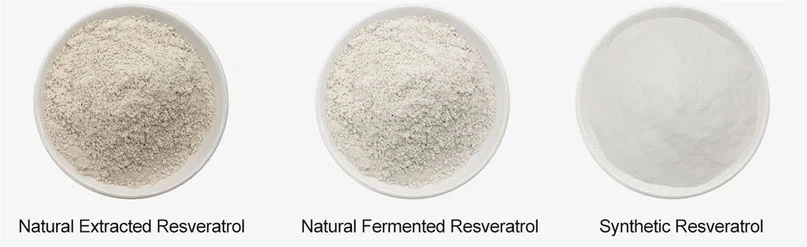
Resveratrol is a natural compound classified as a polyphenol. Resveratrol is produced by these plants in response to stress, injury, or fungal infection.
In recent years, resveratrol has garnered attention due to its potential health benefits. It is believed to have antioxidant properties, which means it helps protect cells from damage caused by free radicals. Free radicals are unstable molecules that can damage cells and contribute to aging and various diseases.
Research on resveratrol has explored its potential effects on a wide range of health conditions. Some studies, particularly in animals, have suggested that resveratrol may have anti-inflammatory, anti-cancer, and even anti-aging properties by activating certain genes associated with longevity.
Resveratrol has been studied for various potential health benefits. Here are some of the suggested benefits of resveratrol based on research.
- Antioxidant Properties
Resveratrol is known for its antioxidant effects, which help protect cells from damage caused by free radicals.
- Cardiovascular Health
Some studies suggest that resveratrol may benefit heart health by improving circulation, reducing inflammation, lowering LDL (bad) cholesterol, and preventing blood clots.
- Anti-Inflammatory Effects
Resveratrol has been shown to have anti-inflammatory properties, which may help in reducing inflammation throughout the body. Chronic inflammation is linked to various diseases, including heart disease and cancer.
- Blood Sugar Regulation
Research indicates that resveratrol may improve insulin sensitivity and help regulate blood sugar levels, which could be beneficial for individuals with type 2 diabetes or those at risk of developing it.
- Neuroprotective Effects
There is evidence suggesting that resveratrol may protect nerve cells from damage and improve cognitive function. This has led to investigations into its potential role in preventing or treating neurodegenerative diseases like Alzheimer's and Parkinson's disease.
- Cancer Prevention
Some studies have shown that resveratrol may inhibit the growth of cancer cells and induce apoptosis (cell death) in certain types of cancer. However, more research is needed to understand its potential role in cancer prevention and treatment.
- Longevity
Resveratrol has been linked to activation of genes associated with longevity and improved lifespan in animal studies. While promising, these effects have not been definitively demonstrated in humans.
It's important to note that while resveratrol shows potential health benefits in laboratory and animal studies, human clinical trials have yielded mixed results. The effectiveness of resveratrol supplementation may vary depending on factors such as dosage, form, and individual health status.
Looking for high quality natural resveratrol, contact us now>>
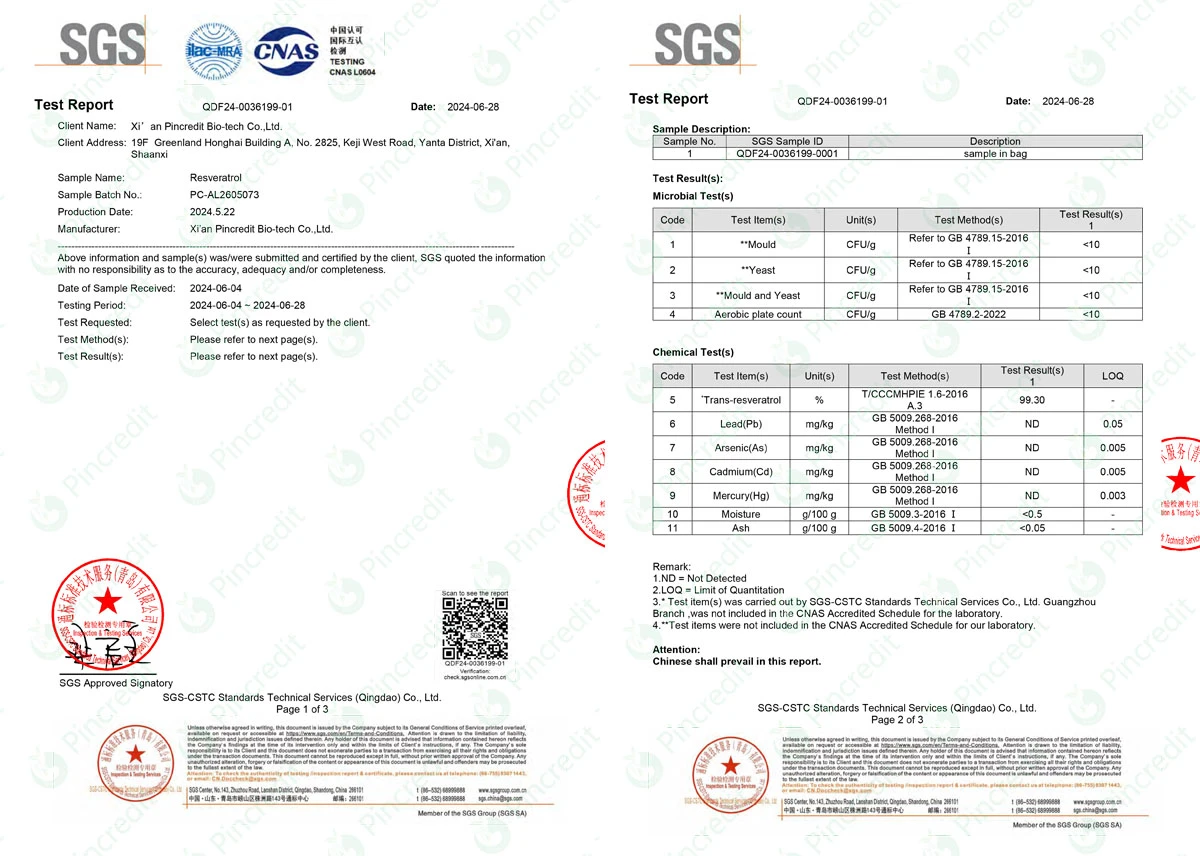
The Third-party Test Report of Resveratrol