NMN (nicotinamide mononucleotide) and NAD (nicotinamide adenine dinucleotide) are closely related molecules that play an important role in cellular energy metabolism. NMN is a nucleotide derived from vitamin B3 (nicotinic acid). It is the precursor to NAD production in cells. Through a series of enzymatic reactions, NMN is converted into NAD.
NMN is a precursor molecule for NAD synthesis. It is converted into NAD through a series of enzymatic reactions in the body. NAD is a coenzyme that exists in two forms: NAD+ (oxidized form) and NADH (reduced form). NAD+ is involved in a variety of cellular processes, including energy metabolism. It is a key molecule in cellular respiration, helping to convert nutrients into energy in the form of ATP (adenosine triphosphate). NAD+ is also involved in the regulation of DNA repair, gene expression, and cell signaling. As we age, NAD+ levels in cells tend to decrease. Reductions in NAD+ are associated with a variety of age-related conditions and diseases. NMN supplements have gained attention for their potential to increase NAD+ levels in cells. By providing the body with NMN, NAD+ production is thought to be enhanced, thereby improving cell metabolism and potentially delaying the effects of aging.
In summary, NMN is a molecule that can be converted into NAD, a coenzyme involved in cellular energy metabolism and various other cellular processes. NMN supplementation is being explored as a potential strategy to increase NAD+ levels and support healthy aging.
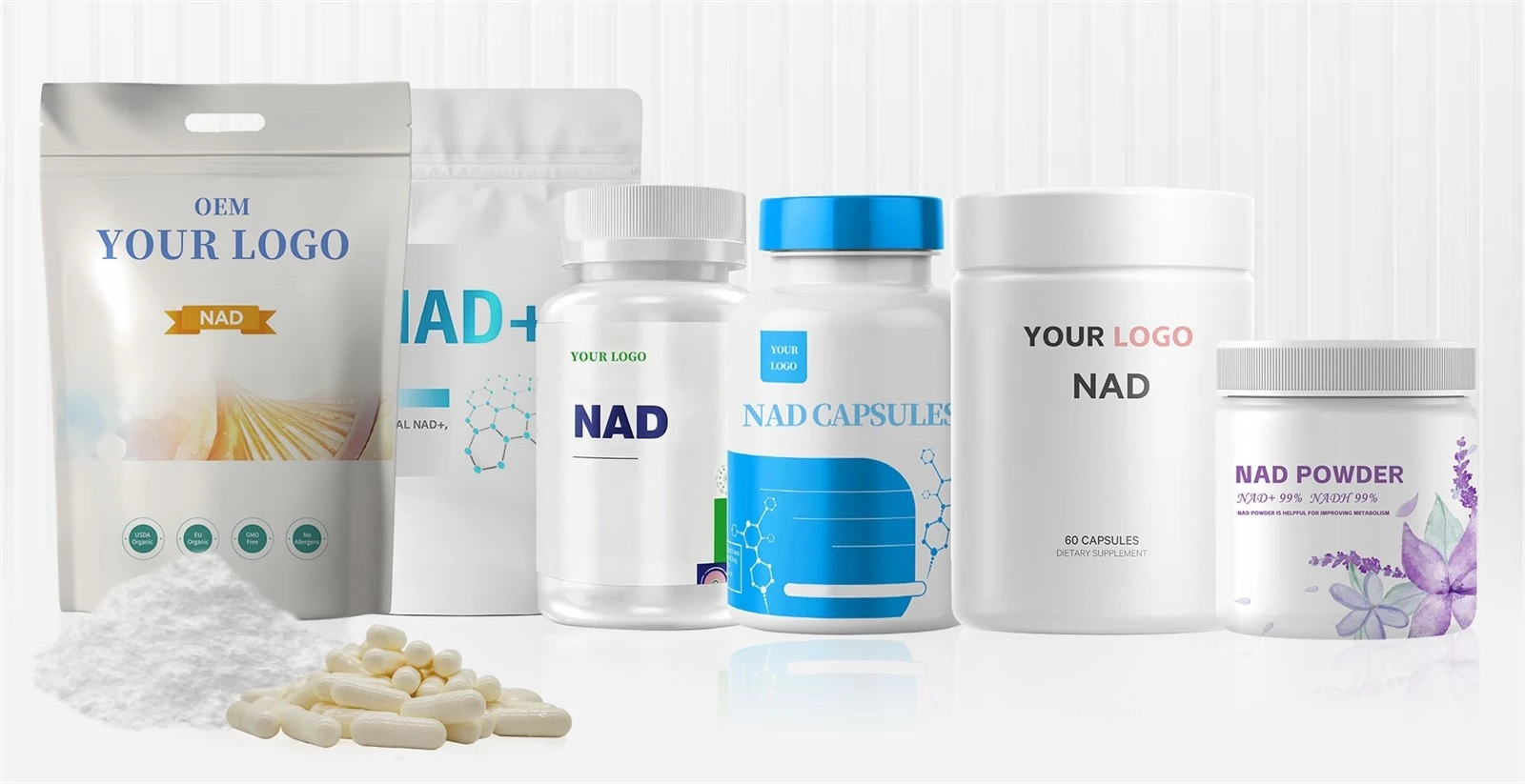
Pincredit supply 99% NMN and NAD powder. Private label service is available. Contact us freely.