

Glutathione is the most widely distributed and highest content natural antioxidant in human cells. Glutathione can neutralize peroxides and oxygen free radicals in cells, protect cell membrane lipids, DNA and sulfhydryl enzymes from oxidation, and ensure the normal functioning of molecular physiological functions.
1. What Is Glutathione?
Peptide and naming
Peptide is a compound formed by α-amino acids connected by peptide bonds, and is also an intermediate product of protein hydrolysis. The difference from protein is that peptides are simpler in composition and smaller in molecular weight, so they are easier to be absorbed by the human body.
Peptides can be called according to the number of amino acids they are composed of: a compound formed by the dehydration condensation of two amino acid molecules is called a dipeptide, and similarly there are tripeptides, tetrapeptides, pentapeptides, etc. Peptides composed of three or more amino acid molecules are called polypeptides.
There is also a nomenclature that peptides composed of 2 to 10 amino acids are called oligopeptides (small molecule peptides), 10 to 50 amino acids are called polypeptides, and more than 50 amino acids are called proteins.
Small molecule peptides are also called small molecule active peptides because of their strong activity and easy absorption, and they have received more and more research attention.
Glutathione
Reduced glutathione (GSH) is a small molecule tripeptide composed of glutamic acid, cysteine and glycine. Humans can synthesize glutathione in their cells.
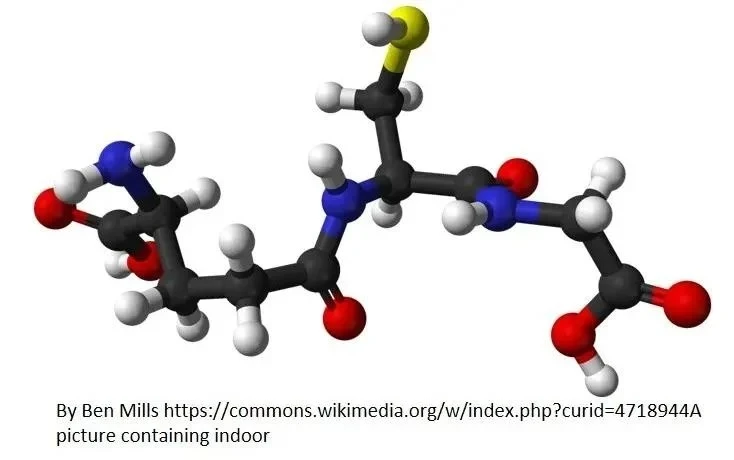
Correspondingly, oxidized glutathione (GSSG) is a disulfide formed by two molecules of GSH.
More than 90% of glutathione in the human body exists in the reduced form, and the rest exists in the oxidized form. Glutathione oxidation and reductase catalyze the mutual conversion of the two. The ratio of the two states of glutathione reflects the level of cellular oxidative stress. An excessively high GSSG:GSH value indicates that the cell is under excessively high oxidative stress.
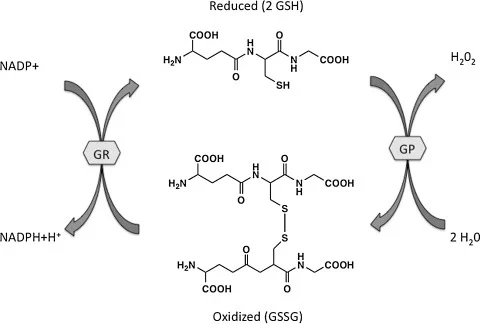
S-Glutathionylation: From Molecular Mechanisms to Health Outcomes
2. Distribution of Glutathione
Almost every cell in the human body contains GSH. Its distribution in the body is second only to water molecules. GSH is the thiol with the highest content in animal cells. The concentration in general cells is between 0.5 and 2 mM. The liver, as the largest detoxification organ in the human body, has a GSH content of up to 10 mM. The extracellular GSH concentration varies from place to place, and plasma GSH is in the micromolar range.
Glutathione also plays an important role in other animals and plants. The content in baker's yeast, wheat germ and animal liver is 100 ~ 1000 mg/100g, in chicken blood it contains 58 ~ 73 mg/100g, and in pig blood it contains 10 ~ 15 mg/100g.
3. Important Functions of Glutathione
Glutathione has three main functions: anti-oxidation, detoxification, and immune enhancement.
Antioxidation
Excessive oxygen free radicals and peroxides accumulated in the human body will lead to oxidation of proteins, lipids, and DNA. Oxidative stress is often associated with diseases such as arthritis, pulmonary fibrosis, Parkinson's disease, multiple sclerosis, cancer, and aging. Therefore, it is necessary to take enough antioxidants to fight against the potential damage caused by free radicals.
Glutathione is the most widely distributed and highest content natural antioxidant in human cells. Glutathione can neutralize peroxides and oxygen free radicals in cells, protect cell membrane lipids, DNA, and sulfhydryl enzymes from oxidation, and ensure the normal functioning of molecular physiological functions. This function is mainly achieved through the sulfhydryl activity in cysteine.
2 GSH + R2O2 → GSSG + 2 ROH (R = H, alkyl)
GSH + R. → 0.5 GSSG + RH
GSH is also widely involved in various redox reactions in cells, eliminating the damage of oxidants to the red blood cell membrane structure and maintaining the stability of the red blood cell membrane structure.
Detoxification
The thiol group of GSH can chelate toxins such as heavy metals, fluoride, and mustard gas, and is often used to combine with poisons or drugs to eliminate toxic side effects [5]. Therefore, the content of GSH in liver cells is much higher than that in other cells.
Lack of GSH will accelerate liver cell apoptosis and lead to fatty liver. GSH supplementation can increase the levels of protein, enzymes and bilirubin in the blood of patients with chronic fatty liver, and intravenous injection of GSH can reduce the level of malondialdehyde, a marker of liver damage.
Enhance immunity
GSH not only protects immune cells from damage, but also plays an important role in regulating the balance of the immune system. Its direct reflection is the protective effect on immune cell telomeres, which has been supported by clinical data (see figure below).
The effect of GSH on the immune system is also manifested in promoting the activation, proliferation and differentiation of T cells, and plays an important role in maintaining T cell immunity.
GSH also has a direct anti-viral effect. GSH-enhanced adjuvant therapy for COVID-19 patients can improve the patient's immune response and reduce the chance of developing severe illness.
In addition to the above three points, GSH is also involved in metabolic regulation, nerve signal transduction, cell proliferation and apoptosis, and can be said to be an all-rounder. GSH can relieve arthritis and pain, and its antioxidant and detoxification abilities have long been widely publicized for their whitening effects.
4. How to Maintain Gsh Levels
Aging, cancer, cystic fibrosis, cardiovascular, inflammation, immune imbalance, neurodegenerative diseases, etc. will over-consume GSH in the body. Bad eating habits, chronic diseases, viral infections and continuous stress will also accelerate the loss of glutathione. Lack of GSH will lead to the accumulation of free radicals, toxins, etc., making it more susceptible to bacterial and viral infections, inflammatory reactions and premature aging, etc., and fall into a vicious cycle.
If the human body's GSH drops below 70% of the normal level, it will be difficult to maintain normal physiological functions.
To maintain a stable GSH level in the body, the only way is to "increase income" and "reduce expenditure".
"Reduce expenditure" means maintaining healthy living habits, reducing the generation of free radicals, and reducing exposure to toxins in the environment, such as alcohol, artificial sweeteners, nitrites, electronic radiation, air pollution, etc., thereby reducing excessive consumption of GSH.
"Increase income" is to provide the human body with sufficient antioxidant and detoxification capital by appropriately supplementing GSH to improve the body's immunity. In addition to eating foods rich in GSH, you can also eat more foods containing sulfur, vitamins C, D, E, and selenium.
However, the biggest problem with glutathione at present is its extremely low oral bioavailability. It is often hydrolyzed in the digestive tract and cannot enter the cells to play a role. Therefore, GSH taken from food is difficult to be absorbed and utilized. When it is deficient, additional supplementation is required to achieve the improvement effect. When choosing supplements, you should also pay attention to the dosage form. Generally, drug delivery technologies such as liposomes and microphospholipid bilayer packaging can better deliver drugs to the target site, thereby exerting their effectiveness.