

In recent years, Lemon Juice Powder has emerged as a popular ingredient in kitchens, food industries, and even wellness routines-thanks to its long shelf life, easy storage, and concentrated lemon flavor. Unlike fresh lemon juice, which is perishable and bulky, high-quality lemon juice powder retains the bright, tangy essence of lemons while offering convenience. But where does this versatile powder come from? How is it made to preserve nutrients and flavor? And what are its most practical applications? This guide answers all these questions, helping you understand why organic lemon juice powder and conventional variants are becoming staples for home cooks and businesses alike.
Lemon Juice Powder
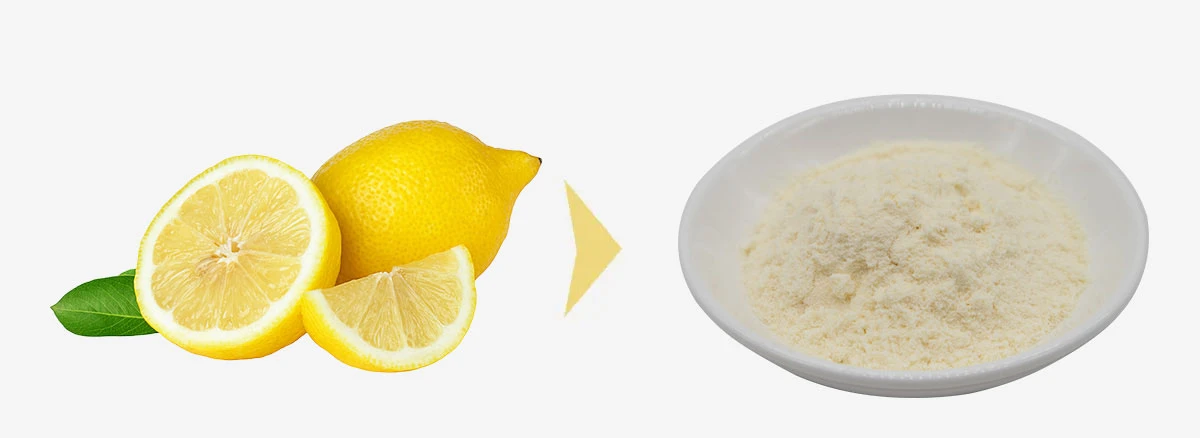
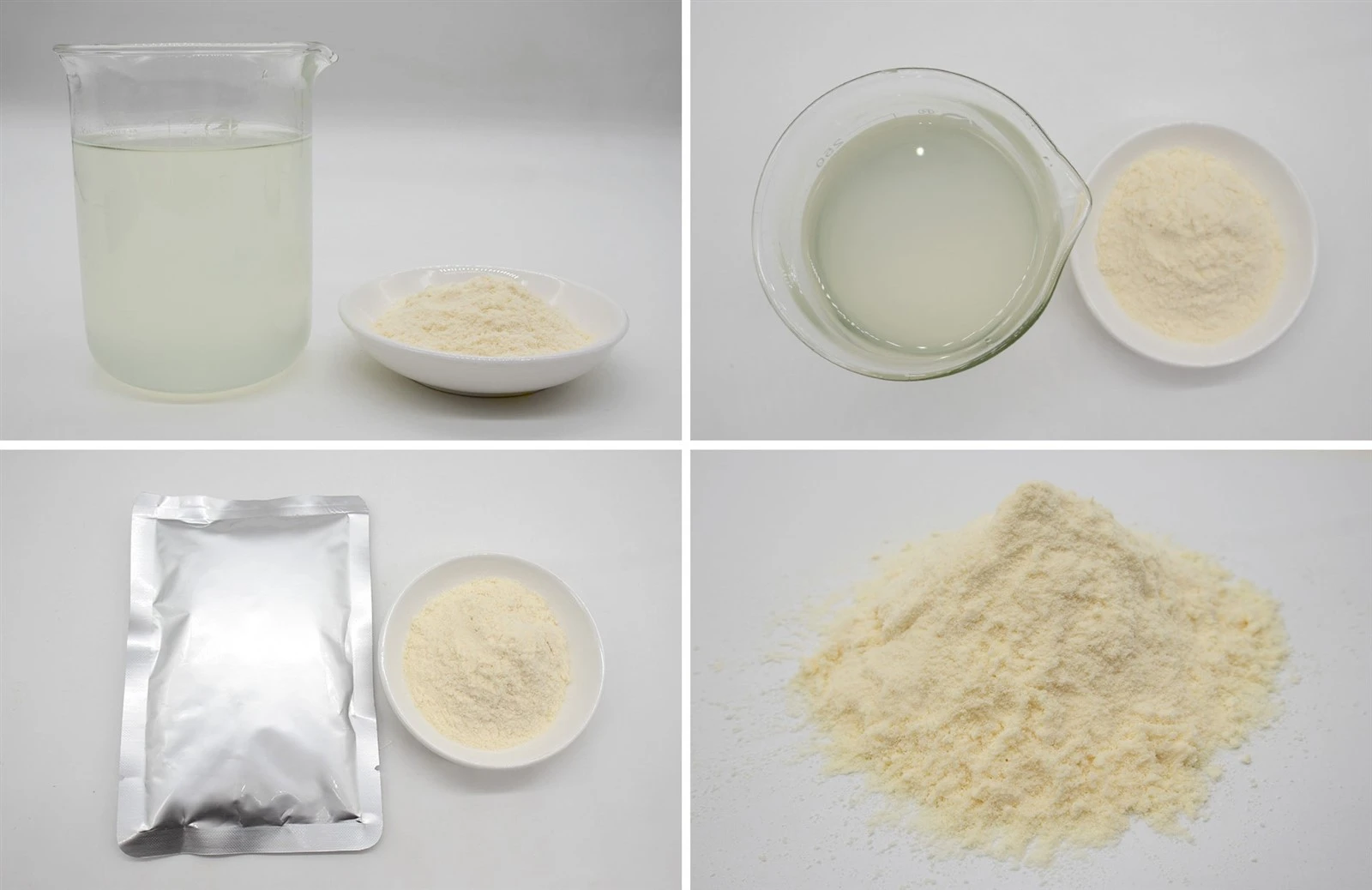
100% Water-Souble Lemon Juice Powder
1. The Source of Lemon Juice Powder: Where Do the Lemons Come From?
The quality of lemon juice powder starts with its core ingredient: fresh lemons. Not all lemons are suitable for powder production-manufacturers prioritize varieties with high juice content, vibrant flavor, and rich nutrient profiles (like vitamin C). The top lemon-growing regions for powder production include:
Mediterranean Countries: Italy, Spain, and Greece are renowned for cultivating lemons in sunny, dry climates. These lemons (such as the Italian "Eureka" or Spanish "Fino") have a balanced tartness and high natural sugar content, ideal for creating flavorful powder.
United States: California and Arizona produce a large portion of the world's lemons for processing. The "Lisbon" and "Eureka" varieties grown here are prized for their consistent quality and juice yield.
India and China: These countries are emerging as major suppliers of lemons for bulk lemon juice powder production, thanks to affordable labor and favorable growing conditions.
For premium organic lemon juice powder, lemons are grown without synthetic pesticides, herbicides, or fertilizers. This aligns with the growing demand for organic ingredients, making organic lemon juice powder a top choice for health-conscious consumers and natural food brands.
2. How Lemon Juice Powder Is Made: A Step-by-Step Manufacturing Process
The production of lemon juice powder is a carefully controlled process to ensure it retains the fresh lemon's flavor, color, and nutrients (especially vitamin C). Here's a breakdown of the key steps:
- Step 1: Selection and Washing of Lemons
Only ripe, blemish-free lemons are chosen. They are thoroughly washed to remove dirt, pesticides (for conventional lemons), or debris-critical for food safety, especially for powders used in direct consumption.
- Step 2: Juicing and Straining
The lemons are peeled (to avoid bitter oils from the rind) and juiced using industrial presses. The fresh juice is then strained to remove pulp, seeds, and solids, resulting in a smooth, clear liquid. This step ensures the final powder has a fine texture.
- Step 3: Concentration (Optional but Common)
To reduce the water content and speed up drying, the lemon juice is often concentrated in a vacuum evaporator. This process uses low heat to avoid destroying vitamin C and flavor compounds-unlike high-heat methods that can degrade nutrients.
- Step 4: Drying (The Most Critical Step)
The concentrated (or fresh) lemon juice is then dried into a powder. The two most common methods are:
Spray Drying: The juice is sprayed into a hot air chamber, where water evaporates instantly, leaving tiny, free-flowing powder particles. This method preserves flavor and nutrients best, making it ideal for high-quality lemon juice powder.
Freeze Drying: The juice is frozen first, then placed in a vacuum to remove water through sublimation (ice turns to vapor without melting). Freeze-dried lemon juice powder retains the most nutrients but is more expensive.
- Step 5: Sifting and Packaging
After drying, the powder is sifted to ensure a uniform particle size. It is then packaged in airtight containers (often with oxygen absorbers) to prevent moisture absorption-moisture can cause clumping and reduce shelf life.
3. Applications of Lemon Juice Powder: From Kitchen to Industry
Lemon juice powder is celebrated for its versatility. Its concentrated flavor, long shelf life, and ease of use make it suitable for a wide range of applications, including:
- Home Cooking and Baking
Baked Goods: Add 1–2 teaspoons of lemon juice powder to cakes, cookies, muffins, or scones for a bright, citrusy flavor-no need to adjust wet ingredients (unlike fresh juice, which can make batters too runny).
Marinades and Sauces: Mix it with olive oil, garlic, and herbs for chicken, fish, or tofu marinades. It also enhances the tanginess of salad dressings, BBQ sauces, and dips (like hummus or tzatziki).
Beverages: Stir 1 teaspoon into water, smoothies, iced tea, or cocktails for a refreshing lemon taste. It's perfect for camping or travel, as it's lightweight and doesn't spill.
- Food and Beverage Industry
Snack Foods: Used to flavor potato chips, popcorn, nuts, or dried fruits (e.g., lemon-flavored raisins).
Confectionery: Added to hard candies, gummies, and chocolate to balance sweetness with tartness.
Beverage Production: A key ingredient in powdered drink mixes, instant lemonade, and sports drinks-provides vitamin C and flavor without fresh juice's storage issues.
- Wellness and Personal Care
Supplements: Organic lemon juice powder is often used in vitamin C supplements, immune-boosting powders, or detox blends, as it's a natural source of antioxidants.
Homemade Beauty Products: Mixed with sugar to make lemon-scented body scrubs, or added to DIY face masks (for brightening skin-always patch-test first).
- Pet Food
Some pet food brands use lemon juice powder as a natural flavor enhancer and to support digestive health in dogs and cats (in small, safe amounts).

4. Why Choose Lemon Juice Powder Over Fresh Lemon Juice?
While fresh lemon juice has its place, lemon juice powder offers unique advantages:
Long Shelf Life: Unopened, it can last up to 2 years (vs. 1–2 weeks for fresh lemons).
Convenience: No peeling, juicing, or dealing with pulp-just measure and use.
Consistency: Delivers the same flavor and acidity every time, critical for baking or industrial production.
Portability: Ideal for hiking, camping, or travel-no risk of squishing fresh lemons in your bag.
Whether you're a home cook looking to simplify meal prep, a food manufacturer seeking a stable ingredient, or a wellness enthusiast after natural vitamin C, lemon juice powder is a versatile solution. Its quality depends on the source of lemons and the manufacturing process-opt for organic lemon juice powder if you prioritize pesticide-free ingredients. With its long shelf life and endless applications, it's no wonder this powder is gaining popularity worldwide.