

In recent years, matcha has exploded in popularity across the globe, becoming a staple in coffee shops, kitchens, and wellness routines. But for many, the line between matcha and matcha latte remains blurry. Are they the same thing? Which one is right for you? Let's break down the key differences, their unique benefits, and how to enjoy each to the fullest-perfect for anyone looking to dive into the world of this vibrant green superfood.
What Exactly Is Matcha?
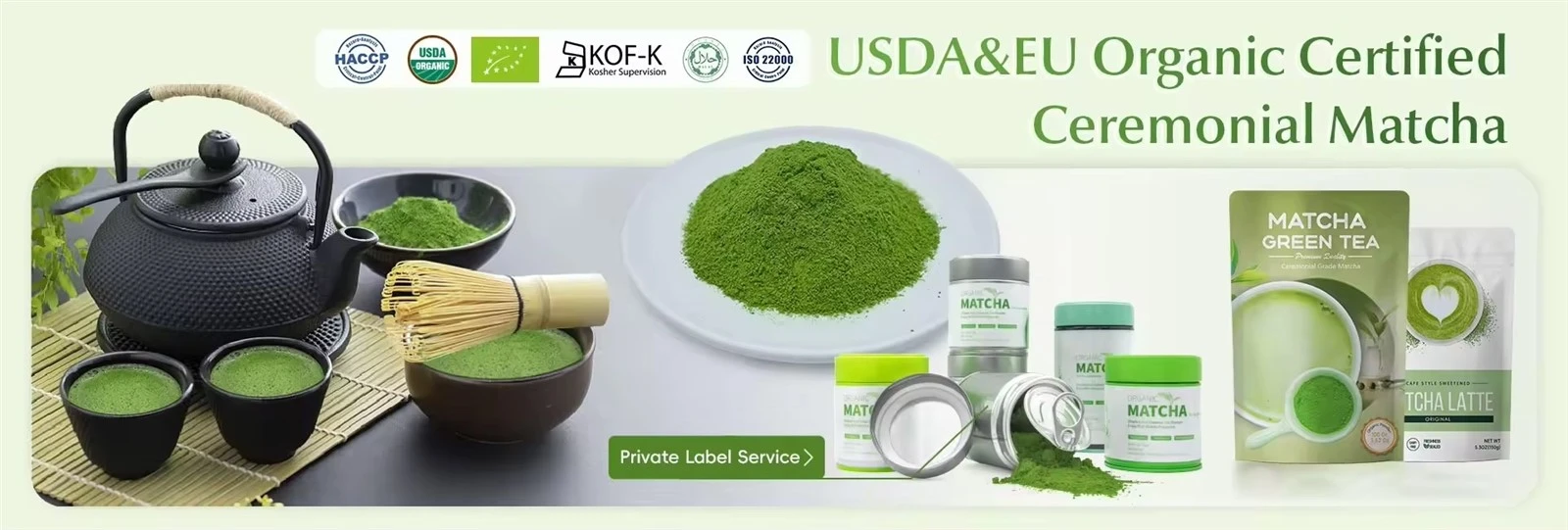
First, let's start with the basics: matcha is a type of powdered green tea. Unlike traditional green tea, where tea leaves are steeped and then discarded, matcha is made by grinding whole, shade-grown tea leaves into a fine, bright green powder. This process means you're consuming the entire leaf-locking in all its nutrients, antioxidants, and distinct flavor.
The shade-growth process (typically 20–30 days before harvesting) boosts the production of chlorophyll (giving matcha its signature green hue) and L-theanine, an amino acid that promotes calm alertness. A traditional serving of matcha involves whisking 1–2 teaspoons of the powder with hot water (not boiling, to avoid bitterness) using a bamboo whisk called a chasen, resulting in a smooth, frothy drink with a grassy, slightly umami flavor.
Matcha is celebrated for its health benefits, including high levels of EGCG (epigallocatechin gallate), a powerful antioxidant linked to heart health and metabolism support. It's also a popular ingredient in baking, smoothies, and even savory dishes, adding a vibrant color and earthy taste.
What Is a Matcha Latte?
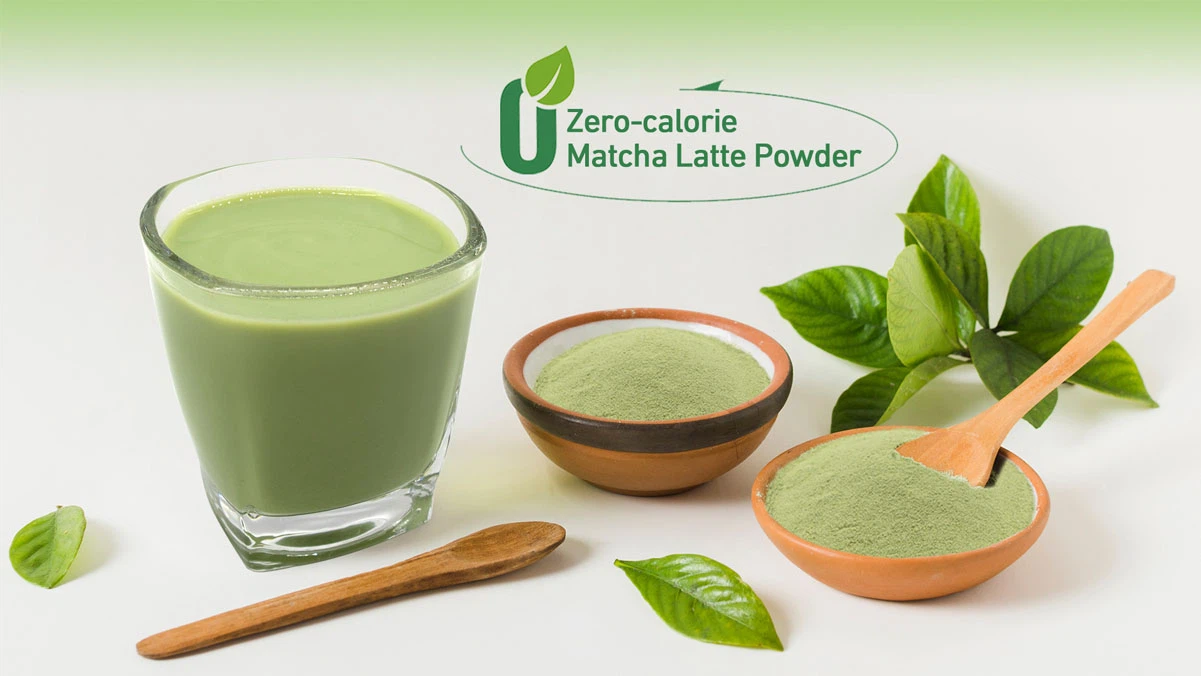
A matcha latte, on the other hand, is a blended drink that combines matcha with milk and often a touch of sweetener (such as honey, maple syrup, or vanilla extract). Think of it as the matcha version of a classic coffee latte-creamy, comforting, and more approachable for those new to matcha's bold flavor.
The base of a matcha latte is a "matcha paste" or "matcha shot": whisking matcha powder with a small amount of hot water to create a smooth, concentrated mixture. This paste is then combined with steamed milk, creating a creamy drink with a milder matcha flavor than traditional matcha. Many coffee shops offer variations, like iced matcha lattes, matcha oat milk lattes, or even matcha lattes with a dash of cinnamon or vanilla.
One of the reasons matcha lattes are so popular is their versatility. The milk softens matcha's natural bitterness, making it a great entry point for anyone who finds straight matcha too strong. It's also a cozy, caffeine-rich alternative to coffee-providing a steady energy boost without the jitters, thanks to L-theanine working alongside matcha's natural caffeine.
Key Differences: Matcha vs. Matcha Latte
While both center around matcha, they differ in several key ways:
1. Ingredients: Traditional matcha is just matcha powder and hot water. A matcha latte adds steamed milk (or a plant-based substitute) and often sweetener.
2. Flavor: Matcha has a bold, grassy, umami taste with slight bitterness. A matcha latte is creamy, milder, and sweeter (depending on added sugar).
3. Nutrient Density: Since you're consuming more matcha per serving in straight matcha, it has a higher concentration of antioxidants, EGCG, and L-theanine. Matcha lattes have these nutrients too, but diluted by milk.
4. Calories: Straight matcha is nearly calorie-free (around 3–5 calories per serving). A matcha latte's calories vary by milk type-oat milk lattes have more calories than almond milk lattes, and adding sugar increases calories further (typically 80–150 calories per serving).
How to Enjoy Matcha and Matcha Latte at Home
Making both at home is simple and cost-effective-no fancy equipment required (though a bamboo whisk helps for traditional matcha!).
- Traditional Matcha
1. Heat water to 175°F (80°C) (boiling water will burn the matcha, causing bitterness).
2. Add 1 teaspoon of high-quality matcha powder to a bowl or mug.
3. Pour in 2–3 ounces of hot water and whisk vigorously in a "W" motion until frothy (use a bamboo whisk or a regular whisk).
4. Enjoy as is, or add a tiny bit of honey if you prefer sweetness.
- Homemade Matcha Latte
1. Make a matcha paste by whisking 1 teaspoon of matcha powder with 2 tablespoons of hot water.
2. Steam 8–10 ounces of your milk of choice (microwave it for 1–2 minutes and stir vigorously to create foam if you don't have a steamer).
3. Pour the steamed milk over the matcha paste and stir.
4. Add a drizzle of honey or a splash of vanilla extract if desired. For iced matcha latte, pour over ice before adding milk.
Final Thoughts: Which Should You Choose?
If you're after a concentrated dose of antioxidants and a bold, traditional flavor, go for straight matcha. If you want a creamy, comforting drink that's easy to sip on-perfect for mornings or afternoons-opt for a matcha latte. The best part? You don't have to choose! Both offer the unique benefits of matcha, from its steady energy boost to its rich nutrient profile.
Whether you're a matcha enthusiast or a newbie, adding matcha or a matcha latte to your routine is a delicious way to enjoy one of nature's most vibrant superfoods.