

In the realm of anti-aging research and cellular health, Nicotinamide Mononucleotide (NMN) has long been a focal point for its ability to boost NAD+ levels, a critical coenzyme linked to aging, metabolism, and DNA repair. But there's a lesser-known yet more potent counterpart: NMNH, the reduced form of NMN. Short for Dihydronicotinamide Mononucleotide, NMNH is gaining traction among researchers and health enthusiasts alike for its superior NAD+ enhancing capabilities and unique biological effects. This guide breaks down everything you need to know about NMNH – its definition, how it differs from NMN, its science-backed benefits, metabolism, safety, and the latest research, designed to answer the most common search queries about this emerging NAD+ precursor.
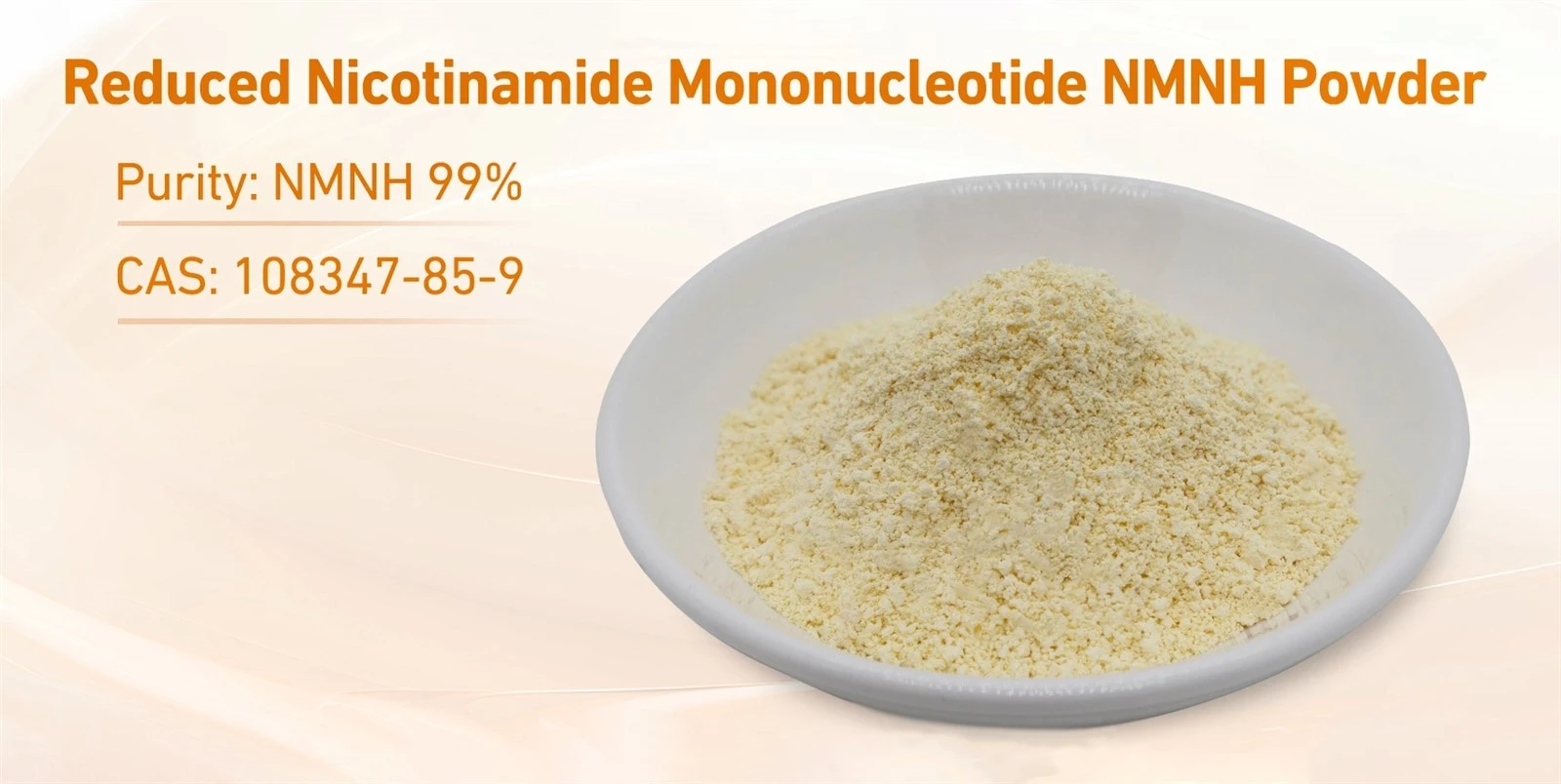
What is NMNH? Defining the Reduced Form of NMN
NMNH stands for Dihydronicotinamide Mononucleotide, the reduced form of Nicotinamide Mononucleotide (NMN). Chemically, it differs from NMN by the addition of an extra hydrogen atom on its nicotinamide moiety, a small but impactful change that alters its biochemical behavior – analogous to the difference between NADH (reduced NAD+) and NAD+ (oxidized NAD+). As a member of the NAD+ precursor family, NMNH shares the core goal of boosting cellular NAD+ levels, but its reduced state gives it distinct advantages in absorption, efficacy, and tissue penetration compared to its oxidized counterpart, NMN.
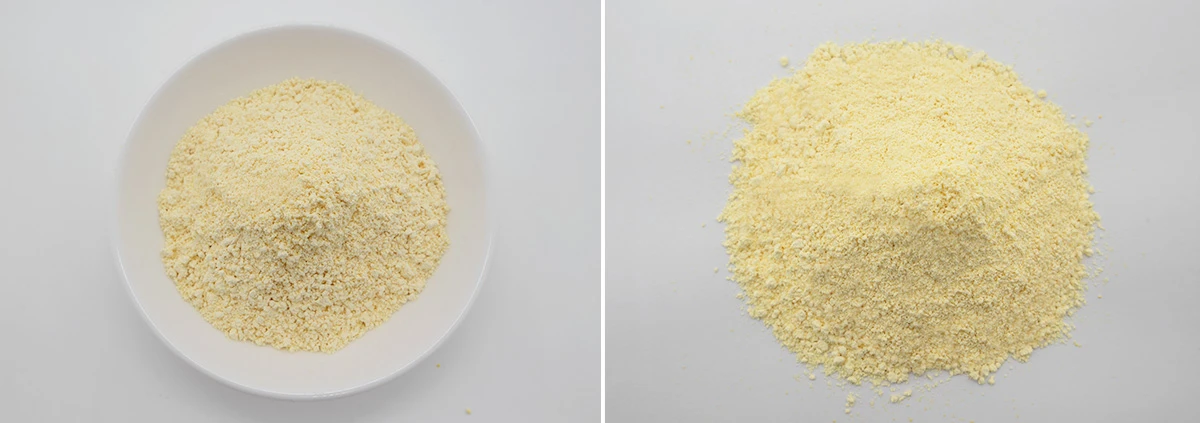
Scientifically classified as a vitamin B3 congener, NMNH has a chemical formula of C11H17N2O8P and a molar mass of 336.237 g·mol⁻¹, with a CAS number of 4229-56-5. Unlike NMN, which is the oxidized form, NMNH is a more reactive molecule, allowing it to participate more efficiently in cellular redox reactions and NAD+ biosynthesis.
NMNH vs. NMN: Key Differences in Structure and Efficacy
While both NMNH and NMN are NAD+ precursors, their structural differences translate to significant variations in performance, absorption, and biological effects. Here's a detailed comparison to clarify their unique properties:
1. Structural and Chemical Differences
NMN (Nicotinamide Mononucleotide) is the oxidized form of the molecule, with a stable structure that requires specific transporters (like Slc12a8) to enter cells before it can be converted to NAD+. NMNH, as the reduced form, contains an extra active hydrogen atom, making it more reactive and able to bypass certain cellular barriers – it can directly penetrate cell membranes without relying on transporters, leading to faster and more efficient conversion to NAD+.
2. NAD+ Boosting Efficacy
Research consistently shows that NMNH is a more potent NAD+ enhancer than NMN, both in vitro (cell cultures) and in vivo (animal studies). In mouse models, NMNH nearly doubles blood NAD+ levels compared to equivalent doses of NMN, with a more sustained effect – while NMN's NAD+ elevation tapers off after 20 hours, NMNH maintains elevated NAD+ levels for up to 24 hours. Most notably, NMNH can boost NAD+ in tissues where NMN is ineffective, including muscle, heart, and brain tissue, increasing levels by 20-30% in these critical areas.
3. Stability and Storage Requirements
NMN is structurally stable, allowing it to be stored at room temperature (with proper protection from light and moisture) and transported without significant loss of activity – a key advantage for commercialization and consumer use. NMNH, however, is highly unstable and requires strict storage conditions: 0-8℃ refrigeration, inert gas sealing, and protection from light and oxygen. Even with these measures, NMNH can lose up to 30% of its activity during transport, limiting its widespread commercial availability for now.
4. Metabolic Pathways
Both NMNH and NMN are converted to NAD+ via the salvage pathway, but their mechanisms differ slightly. NMN requires the enzyme nicotinamide mononucleotide adenylyltransferase (NMNAT) to attach adenine from ATP, forming NAD+. NMNH also uses NMNAT for conversion but produces NADH (the reduced form of NAD+) directly, which can then be oxidized to NAD+ as needed – this dual conversion pathway contributes to its more sustained NAD+ elevation and ability to increase cellular NADH levels, a critical factor in energy metabolism.
The Science Behind NMNH: How It Works in the Body
To understand NMNH's benefits, it's first essential to grasp the role of NAD+ (Nicotinamide Adenine Dinucleotide) in the body. NAD+ is a universal coenzyme involved in hundreds of biological reactions, including energy metabolism (glycolysis and the TCA cycle), DNA repair, cell signaling, and gene regulation. As we age, cellular NAD+ levels decline, contributing to age-related deterioration, chronic diseases, and reduced cellular function.
NMNH acts as a potent NAD+ precursor by bypassing some of the limitations of NMN. Its reduced structure allows it to enter cells directly, where it is rapidly converted to NADH and then NAD+ via NMNAT enzymes. This process not only boosts NAD+ levels but also increases cellular NADH, which plays a key role in energy production in the mitochondria – the "powerhouses" of the cell.
Metabolomic studies have also revealed that NMNH has unique effects on cellular processes: it inhibits glycolysis and the TCA cycle, induces cell cycle arrest, and suppresses cell growth – effects not observed with NMN treatment. These findings suggest NMNH may have potential applications in targeting abnormal cell growth, though more research is needed to explore this further.
Proven and Potential Benefits of NMNH
While human clinical trials for NMNH are currently limited (no ongoing or planned trials focus on age-related diseases as of 2026), preclinical studies have uncovered several promising benefits, backed by peer-reviewed research:
1. Superior NAD+ Enhancement
As the most well-documented benefit, NMNH outperforms NMN in boosting NAD+ levels across tissues. In mouse studies, it achieved a 5-fold increase in NAD+ levels, with sustained elevation for up to 24 hours – a significant improvement over NMN's shorter-lived effects. This makes NMNH a promising candidate for combating age-related NAD+ decline more effectively than current NAD+ precursors.
2. Tissue-Specific NAD+ Boosting
Unlike NMN, which struggles to penetrate certain tissues, NMNH effectively increases NAD+ in muscle, heart, and brain tissue – areas critical for overall health and aging. Boosting NAD+ in the brain, particularly the hypothalamus (a key "control center" for aging), may help slow age-related physiological deterioration, according to aging expert Shin-Ichiro Imai's NAD World 3.0 model.
3. Cellular Protection and Repair
Research shows NMNH protects tubular epithelial cells against hypoxia/reoxygenation injury by enhancing cellular repair mechanisms – a potential benefit for kidney health and recovery from tissue damage. Its ability to increase NADH levels also supports mitochondrial function, which is vital for energy production and cellular resilience.
4. Safety and Low Toxicity
A study by researchers from Tsinghua University tested NMNH doses of 50, 100, 500, and 1000 mg/kg in male C57BL/6J mice, administering the compound intraperitoneally every other day for a week. The results showed no significant increase in serum ALT and AST levels (markers of liver damage), indicating NMNH is non-toxic to the liver even at high doses. No observable changes in mouse weight were reported, further supporting its safety profile in preclinical models.
Current Research and Future Outlook for NMNH
While NMNH shows great promise in preclinical studies, it is still in the early stages of research. Most studies have focused on its NAD+ boosting capabilities and basic biological effects, with limited exploration of its long-term impacts or potential therapeutic applications in humans. Key areas of ongoing and future research include:
- Human clinical trials to validate NMNH's efficacy in boosting NAD+ levels and improving age-related health markers (e.g., metabolism, cognitive function, cardiovascular health).
- Development of stabilization technologies to overcome NMNH's instability, making it more viable for commercial use and consumer access.
- Exploration of NMNH's role in targeting age-related diseases, such as neurodegenerative disorders, cardiovascular disease, and metabolic syndrome.
- Further investigation of its effects on cellular processes like glycolysis, cell growth, and reductive stress, to unlock additional therapeutic potential.
It's important to note that while NMNH is a more potent NAD+ precursor than NMN, it does not yet have FDA approval as a dietary supplement, and no human trials have confirmed its benefits in humans – a key consideration for anyone interested in its use.
Frequently Asked Questions (FAQs) About NMNH
Q: Is NMNH the same as NMN?
A: No. NMNH is the reduced form of NMN, with an extra hydrogen atom that makes it more reactive and efficient at boosting NAD+ levels. While both are NAD+ precursors, NMNH has superior tissue penetration and a more sustained effect compared to NMN.
Q: How is NMNH different from NADH?
A: NADH is the reduced form of NAD+ itself, while NMNH is a precursor to NADH and NAD+. NMNH is converted to NADH in the body, which can then be oxidized to NAD+ – making it a more efficient way to boost both NADH and NAD+ levels compared to direct NADH supplementation.
Q: Is NMNH safe for human consumption?
A: Preclinical studies in mice show NMNH is non-toxic even at high doses, with no liver damage observed. However, there are no human clinical trials to confirm its safety in humans, so caution is advised until more research is available.
Q: Where can I find NMNH supplements?
A: NMNH's instability makes it challenging to produce and distribute, so it is not yet widely available as a consumer supplement. Some specialized biotech companies offer NMNH products, but they require strict storage and shipping conditions to maintain potency.
Final Thoughts: NMNH as the Next-Generation NAD+ Precursor
NMNH, the reduced form of Nicotinamide Mononucleotide (NMN), represents a breakthrough in NAD+ research. Compared to its oxidized counterpart (NMN), NMNH demonstrates superior efficacy, enhanced tissue penetration, and sustained elevation of NAD+ levels. For those interested in exploring NMN-related applications or partnerships, please contact us to discuss potential collaborations.