

Glutathione (GSH) has evolved from a niche biochemical into a strategic, cross‑sector ingredient powering innovation in pharmaceuticals, cosmeceuticals, functional foods, and nutraceuticals. As the body's primary endogenous antioxidant, this tripeptide-composed of glutamic acid, cysteine, and glycine-plays a central role in cellular detoxification, immune modulation, oxidative stress defense, and metabolic health.
For B2B procurement teams, R&D directors, and brand owners, understanding the evolving science, regulatory landscape, and manufacturing pathways of reduced L‑glutathione is essential to capturing value in this high‑growth market.
The global glutathione market is projected to grow from USD 2.58 billion in 2024 to USD 6.8 billion by 2032, representing a robust CAGR of 12.87%. Meanwhile, the broader glutathione supplement market is forecast to expand from USD 1.43 billion in 2025 to USD 2.12 billion by 2031 (6.86% CAGR).
This report provides a comprehensive technical and strategic overview to support informed sourcing and formulation decisions.
Scientific Foundation: Understanding Reduced L‑Glutathione
Structure & Mechanism
Reduced L‑glutathione (GSH; CAS 70‑18‑8) is the biologically active, reduced form of the tripeptide γ‑L‑Glutamyl‑L‑cysteinyl‑glycine. GSH serves as a primary intracellular redox buffer by donating electrons to neutralize reactive oxygen and nitrogen species, while simultaneously participating in phase II detoxification via conjugation with xenobiotics and heavy metals.
The GSH:GSSG (oxidized glutathione) ratio is widely used as a sensitive cellular health marker and is critical for maintaining proper immune function and mitochondrial activity.
Clinically Validated Benefits
Over the past five years, high‑quality clinical trials and systematic reviews have significantly expanded the evidence base for glutathione across several indications:
Skin Brightening & Photoaging: The Journal of Clinical and Aesthetic Dermatology systematic review (2025) affirmed that topical glutathione formulations show promise in reducing hyperpigmentation, with a 2% oxidized glutathione lotion significantly decreasing the melanin index (p<0.05), total epidermal water loss (TEWL) (p<0.05), and wrinkles (p<0.01). Furthermore, a large 2025 meta‑analysis of five RCTs confirmed that oral glutathione at 250‑500 mg/day significantly reduces the melanin index compared to placebo.
Skin Brightening & Photoaging: A 2025 randomized controlled trial concluded that the combination of topical and oral glutathione provides superior skin brightening and increased brightness compared to either route alone.
Bioavailability Breakthroughs: A 2026 human pharmacokinetic trial demonstrated that novel micellar liposomal glutathione (LipoMicel®) produced 2.5‑fold higher systemic GSH exposure than standard glutathione, and up to 4‑fold higher when dose‑normalized. In a separate 2026 study, a liposomal formulation (LipoDuo™) achieved 6‑fold higher peak plasma concentrations than conventional glutathione.
Immune & Detox Support: Comprehensive reviews highlight glutathione's role in maintaining immune cell activity, supporting liver detoxification pathways, and reducing oxidative stress biomarkers in aging and chronic disease populations.
Pro Tip: For manufacturers developing glutathione‑based products, prioritize liposomal, micellar, or S‑acetyl formulations to enhance bioavailability and differentiate your products in a crowded market.
Manufacturing & Quality Standards
Production Pathways
Advanced biomanufacturing technologies have enabled high‑purity, sustainable glutathione production at scale.
Fermentation Technology: A 2025 breakthrough in non‑GMO Saccharomyces cerevisiae fermentation achieved 1.98 g/L glutathione yields using cost‑effective molasses and corn steep liquor-comparable to yields from expensive complex media, while maintaining >99% reduced glutathione content. This significantly lowers the cost‑in‑use for bulk buyers.
Vertical Integration: Leading Chinese manufacturers offer end‑to‑end production-from fermentation to lyophilization and encapsulation-operating in ISO Class 100,000 cleanrooms with fully traceable, batch‑specific quality control.
Technical Specifications (Pharmaceutical Grade)
| Parameter | Specification | Test Method |
|---|---|---|
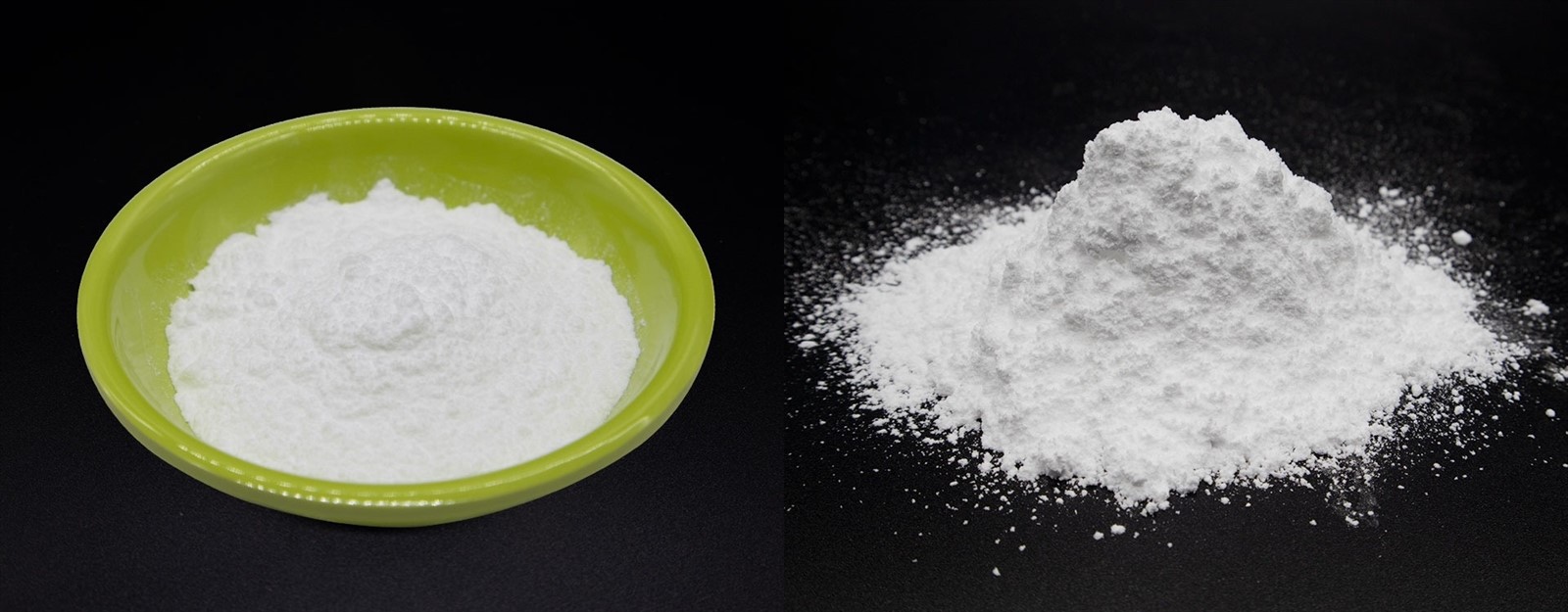
| Appearance | White to off‑white crystalline powder | Visual |
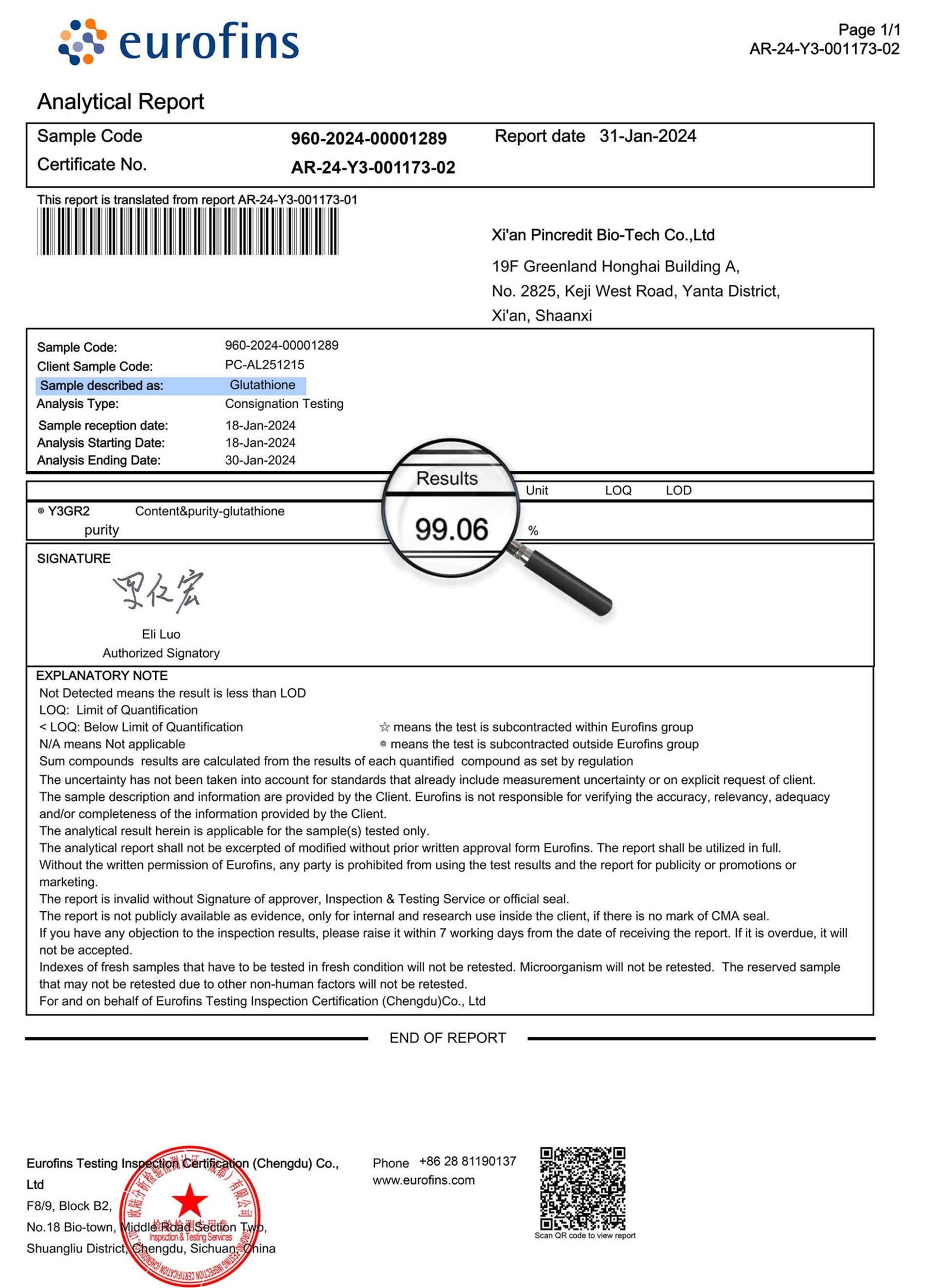
| Purity (GSH) | ≥ 98.0% – 101.0% (HPLC) | USP / EP |
| GSSG (Oxidized) | ≤ 1.5% | USP monograph |
| Total Impurities | ≤ 2.0% | USP monograph |
| Optical Rotation | −15.5° to −17.5° | USP <781S> |
| Loss on Drying | ≤ 0.5% | USP <731> |
| Residue on Ignition | ≤ 0.1% | USP <281> |
| pH (1% Solution) | 4.0 – 6.0 | pH meter |
| Lead (Pb) | ≤ 1 ppm | AAS / ICP‑MS |
| Arsenic (As) | ≤ 1 ppm | AFS |
| Cadmium (Cd) | ≤ 1 ppm | AAS |
| Total Plate Count | ≤ 1,000 CFU/g | USP <61> |
| Yeast & Mold | ≤ 100 CFU/g | USP <61> |
| E. coli / Salmonella | Negative | USP <62> |
Sources: USP monograph; Shaanxi TNJONE Pharmaceutical Co., Ltd. data
Quality Certifications & Compliance
For global B2B buyers, validated certifications are non‑negotiable. Reputable suppliers maintain:
Manufacturing Certifications: GMP, ISO 9001, FSSC 22000, HACCP
Product Certifications: Kosher, Halal, Non‑GMO, Organic (USDA/EU)
Regulatory Grades:
*Food/Cosmetic Grade (≥98%, USP35/USP37/USP41)*
*Pharmaceutical/Injection Grade (≥98%, EP7)*
Liposomal/Micellar Formulations for enhanced bioavailability
Testing & Verification: In‑house HPLC (Waters® systems), third‑party SGS testing, fully documented batch‑specific Certificates of Analysis (CoA)
Pro Tip: Always request batch‑specific CoA and current GMP certifications to avoid suppliers that use high‑pressure hydrochloric acid (HCI) extraction with unacceptable residual solvent levels.
Market Growth & Industrial Applications
Global Market Outlook
The glutathione market is expanding across multiple high‑value verticals. Key segments include cosmetics (fastest‑growing), pharmaceuticals, sports nutrition, and functional foods.
Regional dynamics show Asia‑Pacific leading in volume (driven by skin brightening demand), while North America and Europe are key markets for nutraceutical and sports nutrition applications. The glutathione and citrulline supplement segment is projected to grow from USD 760 million to USD 1.04 billion between 2025 and 2030.
Key Industrial Applications
Nutraceuticals & Dietary Supplements: Liposomal and micellar glutathione formulations for enhanced bioavailability; combination products with vitamin C, vitamin E, and alpha‑lipoic acid
Cosmetic & Personal Care: Skin brightening creams, anti‑aging serums, eye care formulations, and topical antioxidant products
Functional Foods & Beverages: Fortified drinks, protein bars, and targeted wellness shots
Pharmaceuticals: Injectable preparations, eye drops, and chronic disease support
Sports Nutrition: Post‑workout recovery, endurance support, and oxidative stress reduction for athletes
Sourcing Strategy: Choosing the Right B2B Supplier
For B2B procurement success, prioritize these critical factors:
Manufacturer Type: Direct manufacturer (vs. trader) offers better pricing, quality control, and supply chain transparency.
Certifications: Verify current GMP, ISO 9001, HACCP, Kosher, Halal, and FDA facility registrations.
Quality Control: Confirm in‑house HPLC laboratories and third‑party testing protocols.
Product Forms & Bioavailability: Assess availability of standard (≥98%) and enhanced‑absorption formulations (liposomal, micellar).
Supply Chain & Documentation: Request batch‑specific CoA, MSDS, stability data, and full export documentation (certificate of origin, phytosanitary certificate).
MOQ & Lead Times: Standard MOQ for samples is 1 kg; bulk orders typically range from 5 kg to 100 kg+, with lead times of 2–4 weeks.
Storage & Handling Guidelines
Temperature: 15–25°C (59–77°F), cool and dry
Humidity: Protect from moisture (hygroscopic material)
Light: Protect from direct sunlight; store in light‑resistant containers
Packaging: Keep sealed in original packaging; use oxygen absorber where required
Shelf Life: 24 months from date of manufacture under proper storage conditions
Conclusion: Partnering for Success in the Glutathione Economy
Reduced L‑glutathione has become an indispensable active ingredient across the health, beauty, and wellness sectors. Backed by strong clinical evidence, advanced manufacturing technologies, and growing global demand, GSH offers significant opportunities for B2B partners to develop differentiated, science‑backed products.
We invite B2B buyers, procurement managers, and brand owners to collaborate with us for premium, compliant, and sustainable glutathione solutions.
Contact us today to:
✓ Request product samples (1 kg MOQ available)
✓ Receive comprehensive technical dossiers and batch‑specific CoA
✓ Discuss custom formulation and OEM/ODM requirements
✓ Obtain competitive bulk pricing based on volume
Partner with us to deliver science‑backed, premium glutathione solutions to your customers worldwide.
SEO Keywords: Reduced L‑Glutathione Powder B2B, GSH Bulk Supplier, Master Antioxidant Ingredient, Liposomal Glutathione Manufacturer, Pharmaceutical Grade GSH, Skin Brightening Active, Nutraceutical Raw Material, GMP Glutathione Exporter, China Glutathione Wholesale, Clean‑Label Antioxidant Powder.