

Unripe papaya fruits contain papain, chymopapain A, chymopapain B, papain peptidase B and other proteolytic enzymes. And the primary structures of the four known cysteine proteases have a high degree of homology. Among them, papain is a thiol protease that can hydrolyze the carboxyl end of arginine and lysine in proteins and polypeptides, and can preferentially hydrolyze the peptide bonds of amino acids or aromatic L-amino acids with two carboxyl groups at the N-terminus of the peptide bond.
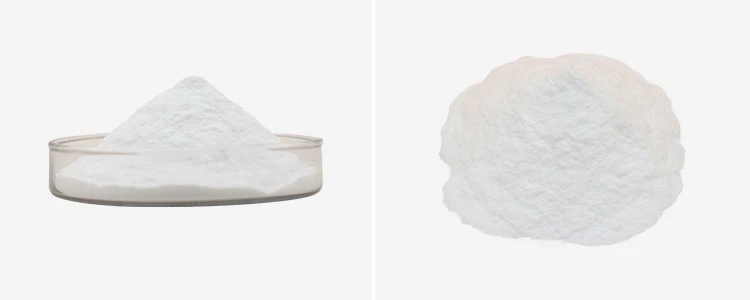
Properties:
Papain is a proteolytic enzyme with a molecular weight of 23406. It consists of a single peptide chain and contains 212 amino acid residues. At least three amino acid residues are present in the active center of the enzyme, namely Cys25, His159 and Asp158. When Cys25 is oxidized by an oxidant or combined with a metal ion, the activity of the enzyme is inhibited, while the reducing agent cysteine (or sulfite) or EDTA can restore the activity of the enzyme. The other six cysteine residues form three pairs of disulfide bonds, and none of them are in the active site.
Pure papain products may contain:
(1) papain, with a molecular weight of 21,000, accounting for about 10% of soluble protein;
(2) chymopapain, with a molecular weight of 26,000, accounting for about 45% of soluble protein;
(3) lysozyme, with a molecular weight of 25,000, accounting for about 20% of soluble protein; and different enzymes such as cellulase.
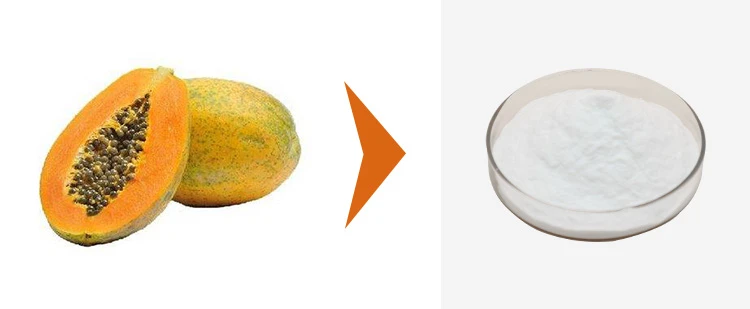
Papain is extracted from papaya. It is not only edible, but also has certain utilization value in the beauty and medical industries.
So what are the functions of papain?
The Efficacy and Function of Papain:
1. Papain is a useful digestive enzyme that helps the stomach break down proteins better and promotes nutrient absorption. For example, it is very helpful for people with indigestion.
2. It has the effect of dissolving fat and softening the skin. In addition, it helps remove dead cells and keep the skin healthy. This is why this enzyme is widely used in beauty products.
3. It has anti-inflammatory effects, which can soothe the stomach and reduce edema. The anti-inflammatory properties of papain can also treat burns and cold sores.
4. Papain is effective in treating gastric ulcers and dissolving diphtheria films.
5. Its uses also include treating swelling and abrasions, and can suppress swelling and fever after surgery.
6. Papain can relieve different food allergies, especially those caused by indigestion of food proteins.
7. The amino acids in papain can help relieve the symptoms of irritable bowel syndrome by preventing acid reflux.
8. Patients with lower back pain, sprains and strains can incorporate papain into their diet to relieve discomfort. In addition, it can also reduce throat swelling and sinus pain.
9. Studies have found that papain is also a good immunostimulant, which helps strengthen the immune system.
10. As a proteolytic enzyme, papain can also help deal with intestinal parasites. In addition, it also has the function of breaking down food protein.