

- Introduction
Ube powder, derived from the vibrant purple yam (Dioscorea alata), has emerged as a versatile ingredient in global food, cosmetic, and health industries. Originating from Southeast Asia-particularly the Philippines, where it is colloquially called "ube"-this root vegetable has been cultivated for centuries. Its deep purple hue and nutritional density have propelled it into modern markets, where its applications extend beyond traditional cuisine.
- Source and Production
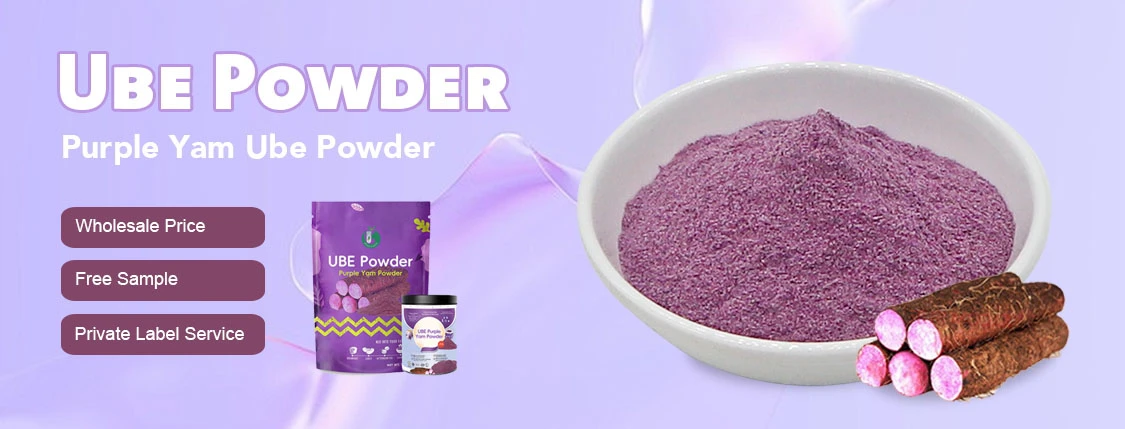
Ube powder is produced by grinding the whole tuber of the purple yam into a fine, soluble powder. Its production involves washing, cooking, and drying the yam before milling, ensuring minimal nutrient loss. This natural origin aligns with consumer demands for clean-label products, positioning ube powder as a premium ingredient in the global market.
- Health Benefits
Ube powder's nutritional profile offers significant health advantages. Rich in mucin, amylase, and saponins, it aids digestion and supports immune function. Studies highlight its anti-inflammatory properties, attributed to polyphenol oxidase and free amino acids. Its mucoprotein content promotes cardiovascular health by preventing fat deposition, while its antioxidant effects combat premature aging and cell oxidation. Additionally, ube powder enhances T-lymphocyte activity, strengthening immune responses. These benefits position it as a functional food ingredient, appealing to health-conscious consumers seeking natural remedies.
- Applications
1. Food Industry: Ube powder's vivid color and mild sweetness make it ideal for baking, beverages, and desserts. In the Philippines, it is a staple in ube halaya (jam) and ube ice cream. Internationally, brands use it in lattes, cakes, and yogurts, capitalizing on its Instagram-friendly hue.
2. Cosmetics: Its antioxidants and anti-inflammatory properties are leveraged in skincare products, such as face masks and serums, targeting anti-aging and skin-brightening markets.
3. Health Supplements: Ube powder is incorporated into protein bars, smoothies, and dietary supplements for its fiber and nutrient content, appealing to fitness enthusiasts.
- Conclusion
Ube powder's integration into diverse industries underscores its market potential. Its natural origin, combined with proven health benefits, positions it as a sustainable and innovative ingredient. As global demand for clean-label and functional products grows, ube powder offers manufacturers a competitive edge, bridging traditional knowledge with modern consumer preferences. By emphasizing its cultural heritage and scientific benefits, brands can effectively market ube powder as a premium, health-focused ingredient, driving growth across food, cosmetic, and health sectors.