

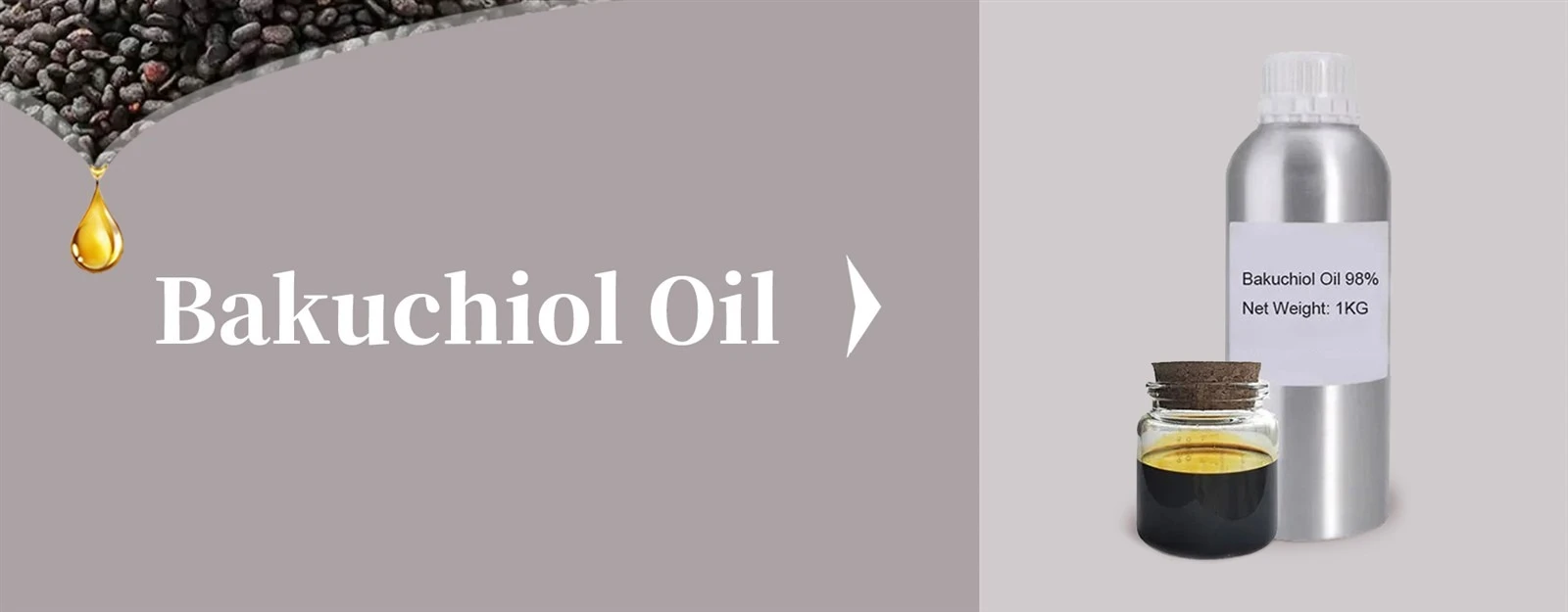
In the world of skincare, new ingredients are constantly being introduced, promising everything from anti-aging to acne reduction. One ingredient that has been getting a lot of attention lately is bakuchiol, a plant compound that's been hailed as a natural alternative to retinol. It comes from the seeds and leaves of the Psoralea corylifolia plant. Bakuchiol has shown promising results in clinical studies for improving skin health, with fewer side effects than traditional retinoids.
What Is Bakuchiol?
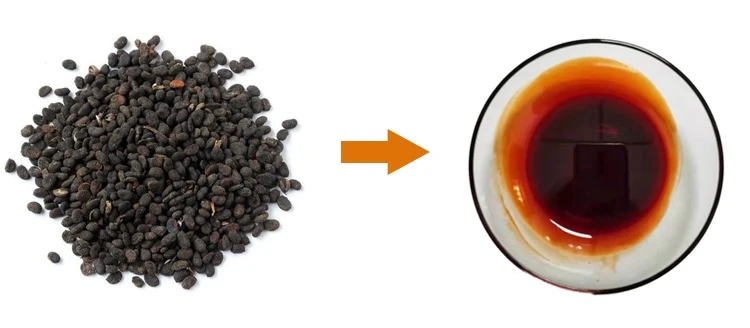
Bakuchiol (pronounced ba-koo-chee-ol) is a phenolic compound derived from the Psoralea corylifolia plant, commonly known as Babchi. The plant has been used for centuries in traditional Ayurvedic and Chinese medicine to treat a variety of conditions, including skin disorders. In recent years, bakuchiol has gained attention in modern skincare for its ability to mimic the effects of retinol, a well-known anti-aging and skin rejuvenating ingredient.
Unlike retinol, bakuchiol is not a derivative of vitamin A, but it has similar effects on the skin without causing irritation, dryness, or increased sun sensitivity, which are common side effects of retinol use. The appeal of bakuchiol lies in its natural origin and gentler properties, making it suitable for sensitive skin types.
Bakuchiol's Mechanism of Action
Bakuchiol works through a similar biological pathway as retinol, binding to retinoid receptors in the skin. This interaction stimulates collagen production and promotes skin cell renewal without the irritation common with retinoids. The compound is known for its ability to reduce oxidative stress by scavenging reactive oxygen species (ROS), which are one of the factors that contribute to skin aging and damage.
Uses of Bakuchiol in Skin Care
Bakuchiol has become an increasingly popular ingredient in serums, creams, and oils used for anti-aging, acne treatment, and overall skin health. Because of its mild nature, it can be used in the morning and evening without causing photosensitivity or irritation. Here are some common uses for bakuchiol in skin care:
1. Anti-aging
One of the main uses of bakuchiol is in anti-aging products. It stimulates collagen production, which helps firm the skin, reduce fine lines, and smooth wrinkles.
This study, published in the International Journal of Cosmetic Science (2014), aimed to compare retinol and bakuchiol, a phytochemical extracted from Psoralea corylifolia. Gene expression profiling in a full-thickness skin model found that bakuchiol, while structurally different from retinol, had similar functional effects. Both compounds increased the expression of collagen types I, III, and IV and aquaporin 3, helping to improve skin properties.
In a clinical trial, bakuchiol demonstrated significant anti-aging benefits, including reductions in wrinkles, hyperpigmentation, and photodamage, without the side effects typically associated with retinol. The results suggest that bakuchiol is a promising alternative to retinol in anti-aging skin care products.
2. Acne Treatment
Bakuchiol also has anti-inflammatory and antimicrobial properties that show promise for treating acne. It helps reduce inflammation, which is a significant factor in the development of acne, while also helping to regulate oil production.
In a 2011 article, Ratan K. Chaudhuri and Francois Marchio highlighted bakuchiol as an effective acne treatment. Derived from Psoralea corylifolia, bakuchiol treats acne by reducing sebum production, inhibiting acne-causing bacteria, and controlling inflammation. It may also help prevent acne scarring by reducing collagenase activity.
In clinical trials, bakuchiol, especially when combined with salicylic acid, significantly reduced acne without the irritation typically associated with retinoids, making it a safe and promising alternative for acne treatment.
3. Pigmentation
Another notable benefit of bakuchiol is its ability to reduce pigmentation and even out skin tone. It works by inhibiting the synthesis of melanin, the pigment responsible for dark spots and uneven skin tone.
A 2019 clinical trial published in the British Journal of Dermatology compared the effectiveness and side effects of bakuchiol and retinol in treating facial photoaging. In the 12-week, randomized, double-blind study, 44 participants applied either 0.5% bakuchiol twice daily or 0.5% retinol once daily.
Both compounds significantly reduced wrinkles and pigmentation with no difference in efficacy. However, users of retinol experienced more side effects, such as skin flaking and stinging, while bakuchiol was better tolerated. The study concluded that bakuchiol is a promising, gentler alternative to retinol for anti-aging and pigmentation treatments.
4. Gentle on sensitive skin
Unlike traditional retinoids that can cause irritation, redness, or peeling, bakuchiol is well tolerated by most skin types, including sensitive skin. Therefore, it is an excellent choice for people who have adverse reactions to retinol products.
5. Anti-inflammatory properties:
The anti-inflammatory effects of bakuchiol can help relieve symptoms such as acne or eczema, making it an effective treatment for a variety of skin problems.
A 2019 study published in the International Journal of Molecular Sciences investigated how bakuchiol reduces inflammation in the brain. The study showed that bakuchiol reduced the production of harmful inflammatory substances such as prostaglandin E2 (PGE2) and IL-6 in brain cells.
It works by blocking certain signaling pathways (p38 MAPK and ERK) that cause inflammation. Bakuchiol was also tested on mice and found to reduce inflammation in the mice's brains. These results suggest that bakuchiol may help treat brain diseases associated with inflammation, such as Alzheimer's and Parkinson's diseases.
How to use Bakuchiol?
Bakuchiol can be incorporated into a skincare routine like any other active ingredient. It is often found in serums, creams, and facial oils and can be used after cleansing and toning. Since it does not cause photosensitivity, it can be used both morning and night. For best results, use products containing bakuchiol consistently, as results are usually seen after 8 to 12 weeks of use.
Bakuchiol is a promising ingredient for those seeking a natural, gentle alternative to retinol. Its ability to reduce fine lines, improve skin texture, even skin tone, and treat acne makes it a versatile addition to any skincare routine.
Bakuchiol's efficacy and safety are backed by scientific research, making it an effective option for those with sensitive skin or who wish to avoid the side effects of traditional retinoids. Whether you're looking to address signs of aging, acne, or hyperpigmentation, bakuchiol is a plant-based solution worth considering.