

In recent years, with the rise and popularization of concepts such as ingredientism and scientific skin care, consumers have begun to pursue more and more efficient and safe skin care products, and functional skin care products have also been highly sought after.
Astaxanthin, as one of the most effective antioxidants in nature, is widely used in anti-aging products, cosmetics and health care products. This delay is not only reflected on the surface of the skin but also penetrates into every cell, nourishing our body from the inside out and helping us stay young.
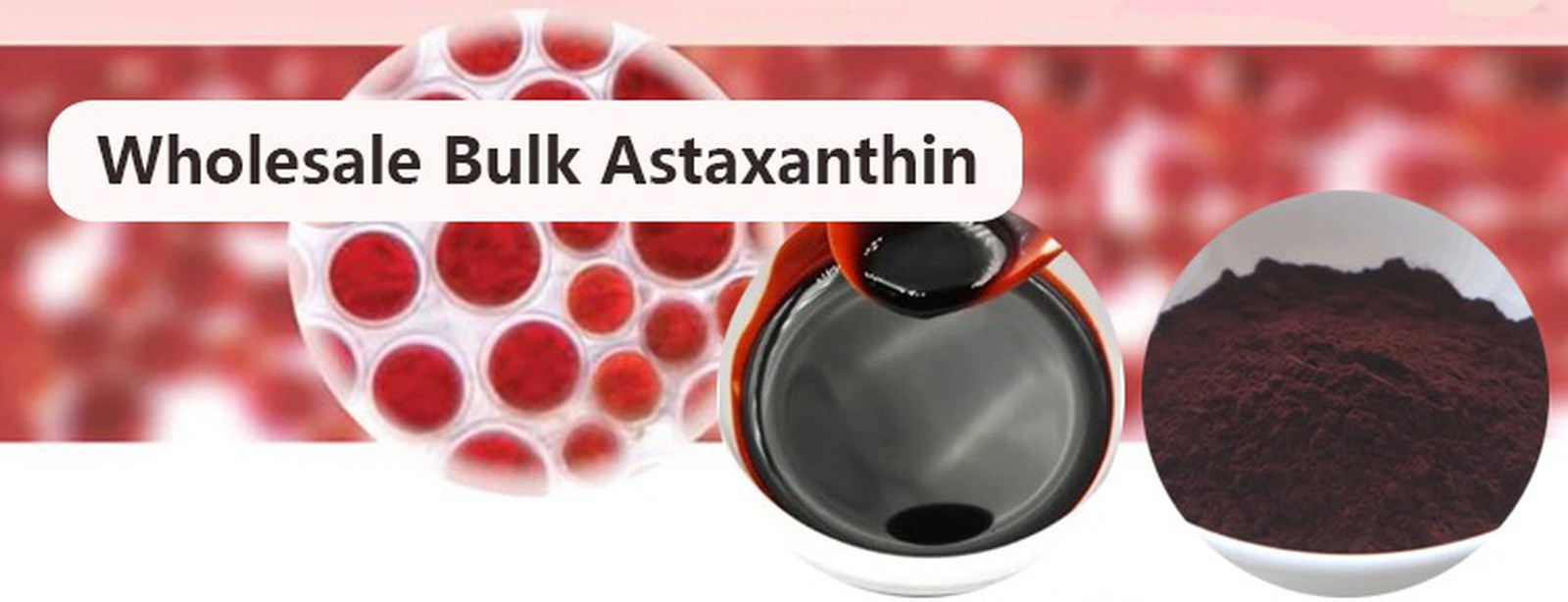
Understanding Astaxanthin:
As a foodie, I first thought of shrimp and crab. Astaxanthin is generally extracted from Haematococcus pluvialis, and is generally marked as (Haematococcus pluvialis extract) in the ingredient list of skin care products. Astaxanthin is the strongest antioxidant discovered by humans in nature so far. The antioxidant capacity of astaxanthin is 6,000 times that of vitamins, 110 times that of beta-carotene, and 800 times that of coenzyme Q10.
Astaxanthin effectively removes oxidative free radicals in cells, enhances cell regeneration ability, maintains body balance and reduces the accumulation of aging cells, protects cell and DNA health from the inside out, thereby protecting skin health, promoting hair growth, and anti-aging.
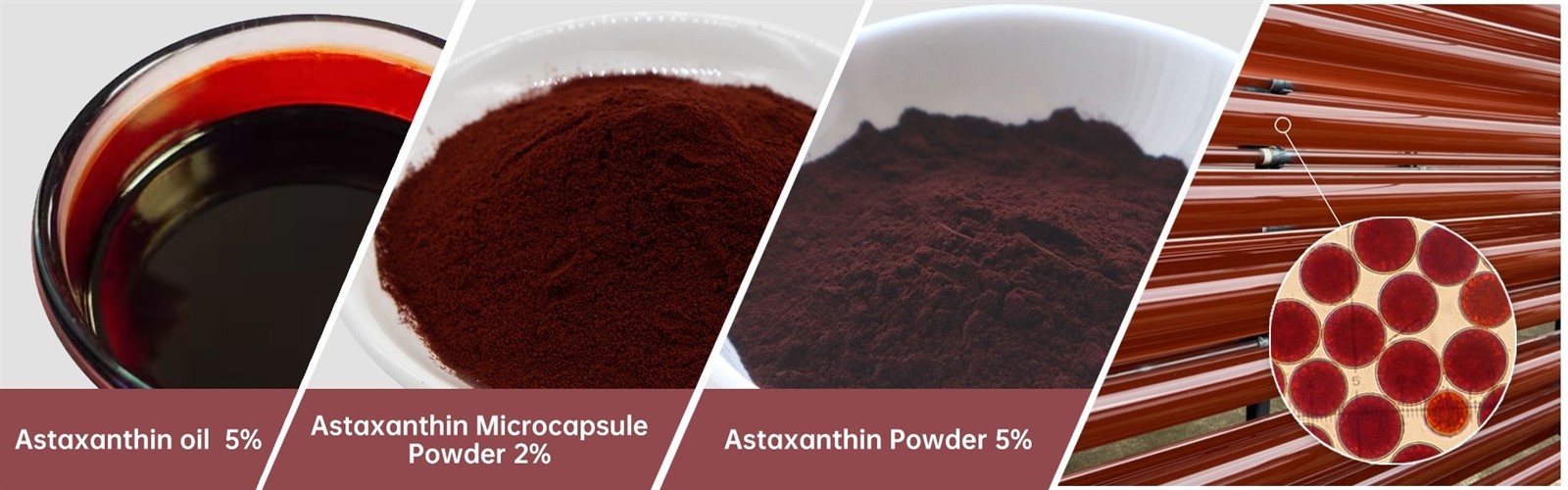
Effects of Astaxanthin:
① Anti-UV:
Astaxanthin contains rich photosensitive substances that can absorb a large amount of ultraviolet rays and prevent the ultraviolet rays in the sun from having adverse effects on our skin. Astaxanthin can also improve the body's skin immunity and prevent the skin from being burned by the sun. The strong antioxidant property of astaxanthin may make it a potential photoprotectant, effectively removing free radicals that cause skin aging, protecting cell membranes and mitochondrial membranes from oxidative damage, and preventing photoaging.
② Antioxidant:
Astaxanthin can be said to be a very good antioxidant substance, which can effectively remove free radicals caused by ultraviolet rays, play an antioxidant role, reduce wrinkles and resist skin photoaging. The antioxidant property of astaxanthin is mainly due to the fact that there is a long conjugated double bond chain in the molecule, and the unsaturated ketone group and hydroxyl group at the end of the conjugated double bond chain constitute α-hydroxy ketone. These structures have relatively active electronic effects, which can provide electrons to free radicals or attract unpaired electrons of free radicals to achieve the effect of removing free radicals and anti-oxidation.
③ Enhance Skin Elasticity:
Aging skin will become particularly loose, and astaxanthin can be said to be excellent in helping to improve skin looseness and lack of elasticity.
④ Whitening and Lightening of Spots:
Astaxanthin can inhibit the production of melanin and remove excess melanin in the skin to achieve the effect of whitening and lightening of spots. Of course, this whitening effect mainly depends on the purity of astaxanthin. High-purity astaxanthin has a natural whitening effect.
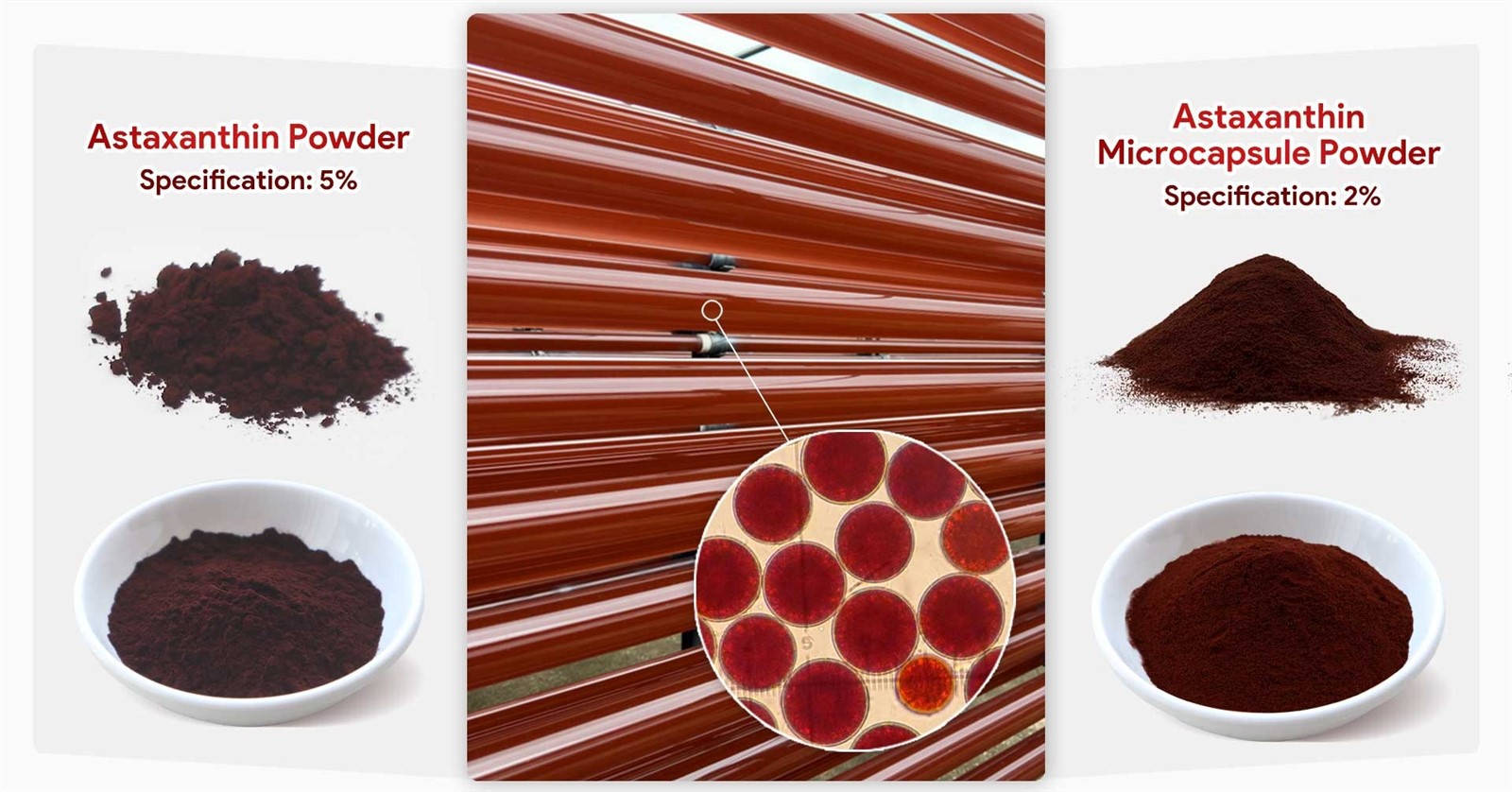
Precautions for Using Astaxanthin:
Astaxanthin is not very stable and is easily oxidized, so it needs to be protected from light. People with sensitive skin should test it behind the ear when using it. Do not use it with vitamin C, as it will lose its original efficacy.